A sudden drip through the ceiling, a slate on the path after high winds, or water running down an internal wall can quickly turn into a serious property problem. When you need emergency roof repair Darlington property owners can depend on, the first priority is keeping people safe and limiting further damage while a professional assesses the roof.
Roofs rarely fail at a convenient time. Heavy rain can expose a small weakness that has gone unnoticed for months, while strong winds may lift tiles, damage ridge work or loosen gutters and flashing. Acting sensibly in the first few hours can protect your home, belongings and the structure beneath the roof covering.
What counts as a roofing emergency?
Not every damaged tile requires immediate work in the middle of the night, but some faults should not wait for a routine repair appointment. Active water ingress is the clearest example. Water can soak insulation, ceiling plaster, timber and electrical fittings long before the visible stain looks dramatic.
A roof should also be treated as urgent if storm damage has left an area exposed, slates or tiles are at risk of falling, a chimney appears unstable, or a flat roof is holding a large amount of water close to the building. Damage around roof valleys, lead flashing, skylights and roof junctions can be particularly troublesome because water may travel some distance before appearing indoors.
It depends on the weather and the extent of the damage. A single slipped slate on a dry day may be made safe and booked for prompt repair. A missing section of covering during persistent rain needs faster protection, even if a permanent repair has to wait until conditions are safe.
Emergency roof repair in Darlington: what to do first
Stay off the roof. Climbing ladders in wind, rain, darkness or icy conditions is dangerous, and walking on damaged roof coverings can make a small problem much worse. A professional roofer has the access equipment, experience and safety measures needed to inspect the issue properly.
Inside the property, move furniture, rugs and electrical items away from the affected area if it is safe to do so. Place buckets or containers beneath drips and use towels to contain splashes. If water is close to light fittings, sockets or wiring, avoid touching electrical equipment and seek appropriate advice urgently. Do not puncture a bulging ceiling unless you understand the risks and can do so safely – a saturated ceiling can be unstable.
From ground level, take clear photographs of visible damage if conditions allow. Images of missing tiles, fallen debris, damaged guttering or a leaking ceiling can help explain the situation when arranging an inspection. Keep any fallen slates or tiles out of walkways, but do not handle sharp or unstable material unnecessarily.
If rainwater is overflowing from gutters, check only from a safe position whether a downpipe is blocked by leaves or debris. Sometimes the apparent roof leak is water backing up at the roofline. However, do not attempt to clear gutters from a ladder during poor weather. The cause may be a loose bracket, damaged joint or broken section that needs repair rather than a simple clear-out.
Why a temporary repair is not always the final answer
Emergency work often begins by making the roof weather-tight. This may involve securing loose materials, fitting a temporary cover, replacing accessible broken tiles or sealing a vulnerable area until a full repair can be carried out. That quick response matters, but it should not hide the underlying cause.
For example, a leak around a chimney may be caused by failed flashing, deteriorated pointing, cracked mortar or damaged leadwork. Reapplying sealant alone may slow the water down, yet it may not provide a lasting solution. Similarly, repeated slipped tiles can point to worn fixings, damaged battens or ageing underfelt beneath the surface.
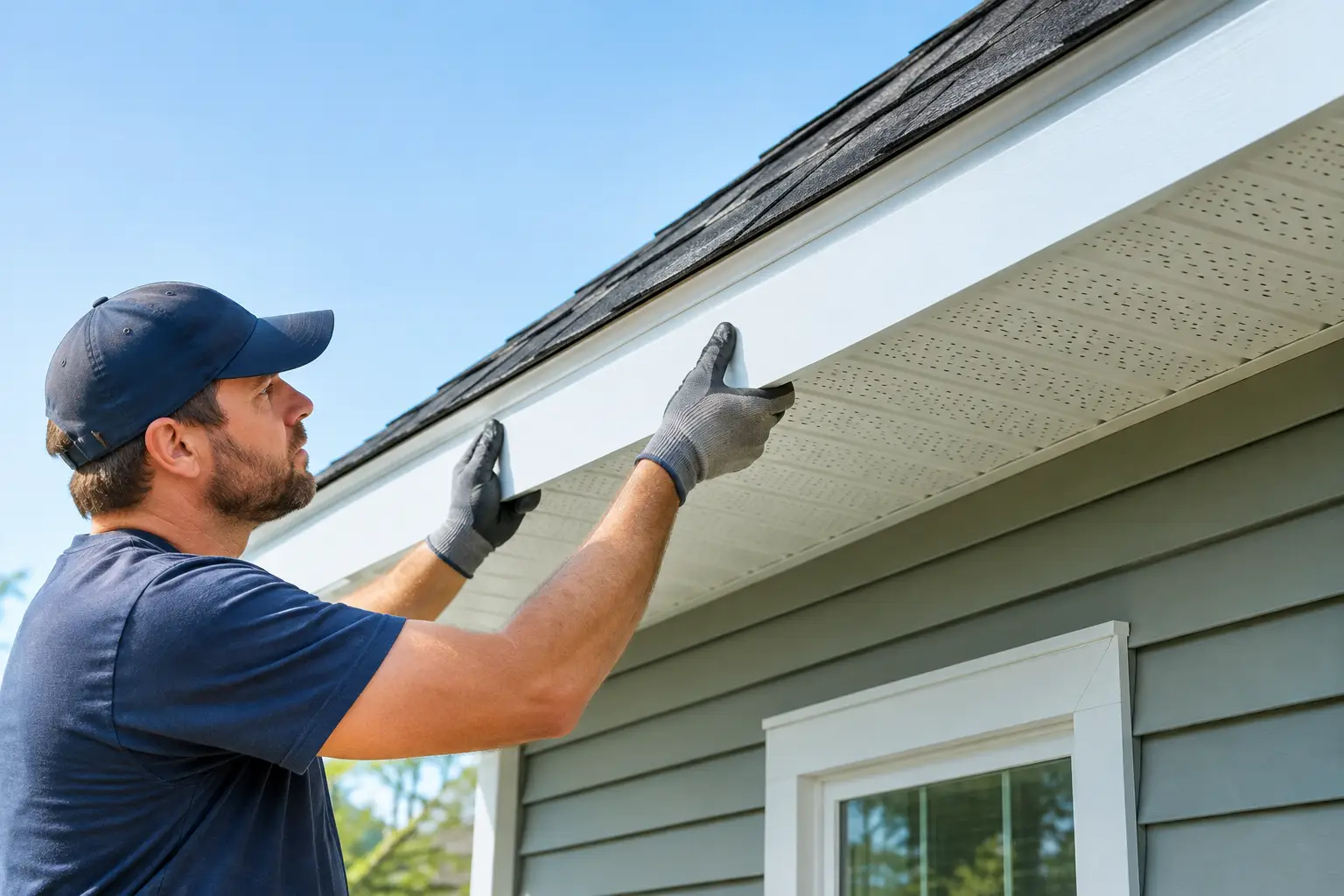
A proper inspection looks beyond the first visible fault. The roofer should assess the roof covering, ridge and verge details, valleys, flashing, gutters and the condition of nearby roofline components. On a flat roof, they will consider the surface, joints, outlets, edge trims and whether standing water is contributing to the problem.
The right repair should match the roof and its condition. A localised tile replacement may be all that is needed on an otherwise sound pitched roof. A worn felt flat roof might be better served by a more durable GRP fibreglass renewal. If damage has exposed wider issues, a phased repair or replacement may offer better value than repeated call-outs.
Common causes of urgent roof leaks and damage
Darlington homes face their share of wind-driven rain, winter frost and seasonal debris. These conditions do not automatically mean a roof is failing, but they can bring existing wear to the surface.
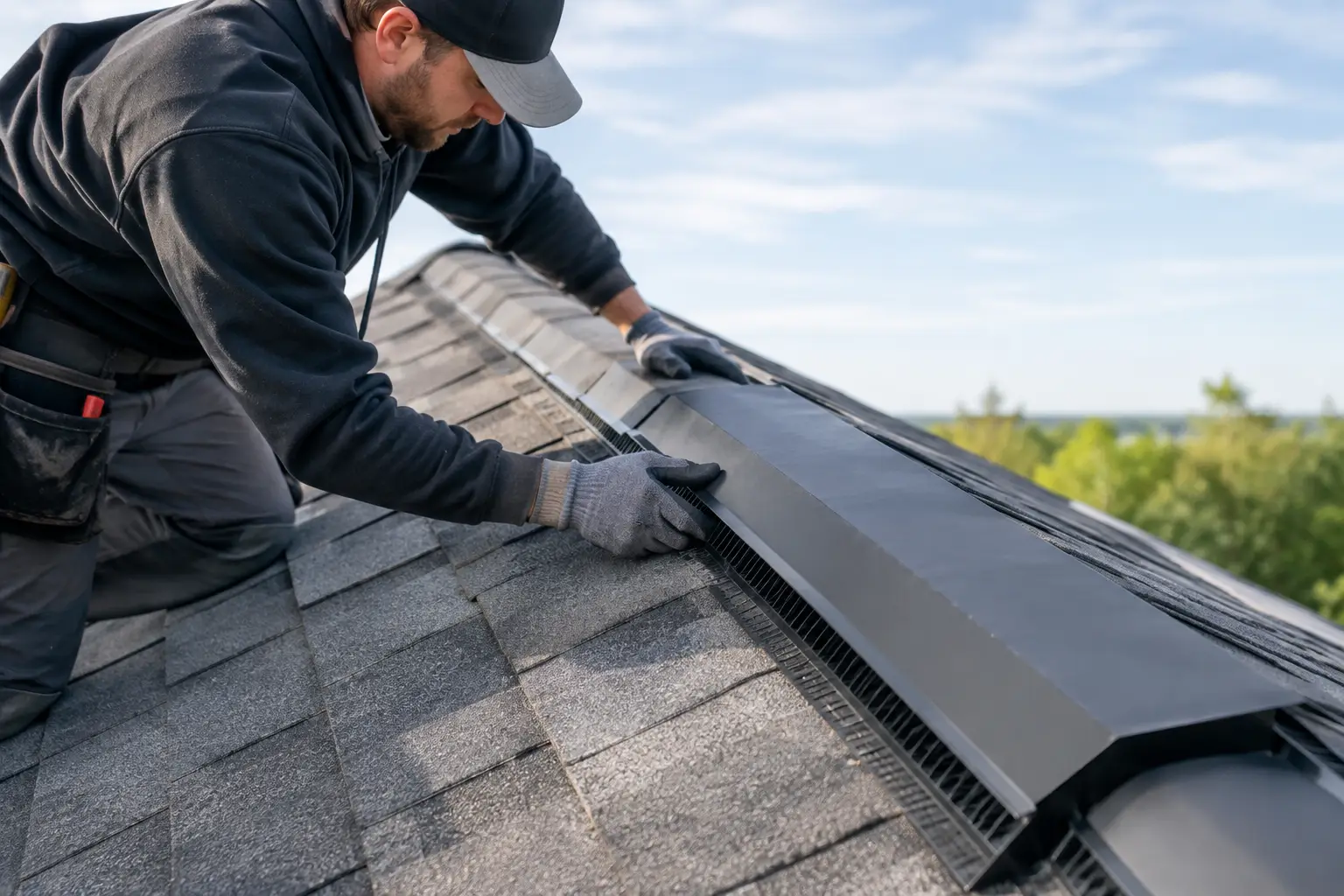
Broken, slipped or missing slates and tiles are common after storms. Ridge tiles and verge sections can also work loose where older mortar has deteriorated. Modern dry ridge and dry verge systems can provide a secure alternative where suitable, reducing reliance on mortar that may crack over time.
Chimneys need close attention too. Open mortar joints, cracked pots, loose flashing and failing render can all admit water. Because chimney repairs involve height and potentially unstable masonry, they should be inspected rather than patched from a ladder.
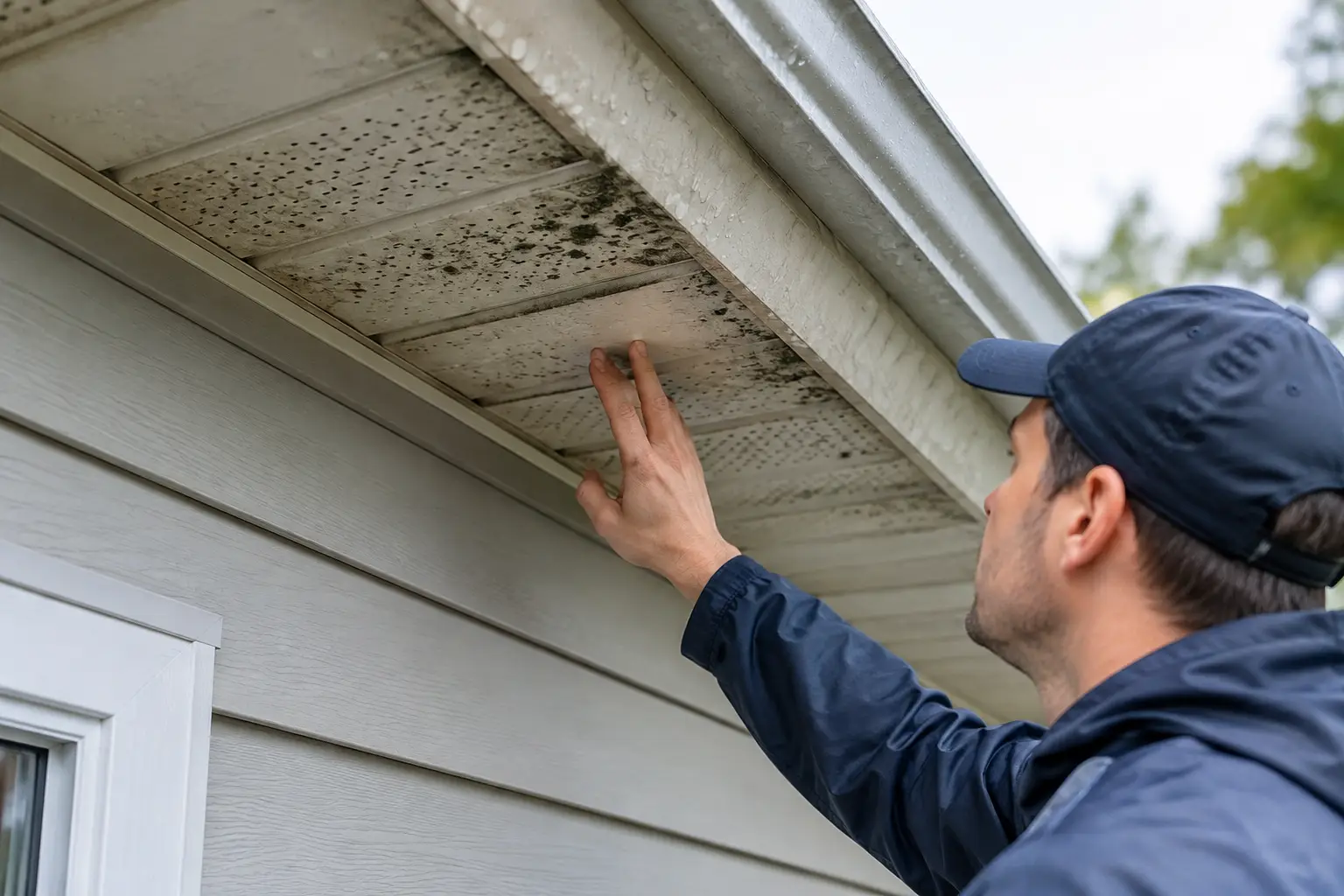
Flat roof leaks may develop around seams, outlets, skylights or areas where water ponds after rainfall. A small split can allow water beneath the surface, so the internal stain may be larger than the external defect suggests. Gutters and downpipes are equally relevant: a cracked gutter joint or blocked outlet can send water behind fascias and soffits, causing decay that is not obvious from below.
Choosing a roofer when the situation is urgent
Urgency should not mean accepting vague promises or unclear costs. A reliable contractor will explain what can be done immediately to reduce the risk, what is known at the time of inspection, and whether further work is likely once the area is safely opened up.
Ask for a clear, no-obligation quotation for the defined work wherever possible. It should distinguish between temporary protection and the recommended permanent repair. If the full extent cannot be confirmed until materials are lifted, that should be explained plainly rather than presented as a surprise later.
Insurance and workmanship guarantees matter, especially where repairs affect the main weatherproofing layer of your home. It is also reassuring to use an established local contractor with recognised trade credentials and a record of completing jobs properly. Masterhouse Services is a family-run Darlington contractor able to assess urgent roof faults as well as related chimney, flat roof and roofline issues.
Be cautious of anyone who pressures you into immediate major work without a sensible inspection or written scope. A roof may genuinely need substantial attention, particularly if it is near the end of its life, but the reasons should be visible and clearly explained. Good advice sets out the options, including the trade-off between a short-term repair and a longer-lasting solution.
Preventing the next emergency
Once the immediate problem is resolved, a little planned maintenance can reduce the chance of another difficult weekend or sleepless night. Check your loft periodically for damp smells, staining, daylight around roof junctions or wet insulation. After high winds, inspect the roof from ground level and look for displaced tiles, fallen fragments and loose guttering.
Keep gutters and downpipes clear enough for rainwater to flow away from the property, particularly after autumn leaf fall. If your roof is older, arrange an inspection before winter rather than waiting for the first heavy leak. Small repairs to flashing, ridge work, pointing or roofline components are usually simpler when the surrounding materials are dry and stable.
A prompt, calm response is the best protection when water gets in. Make the area safe, avoid risky DIY work at height, document what you can and arrange a professional assessment. The right repair should not just stop today’s leak – it should give your home a sounder defence against the next spell of North East weather.