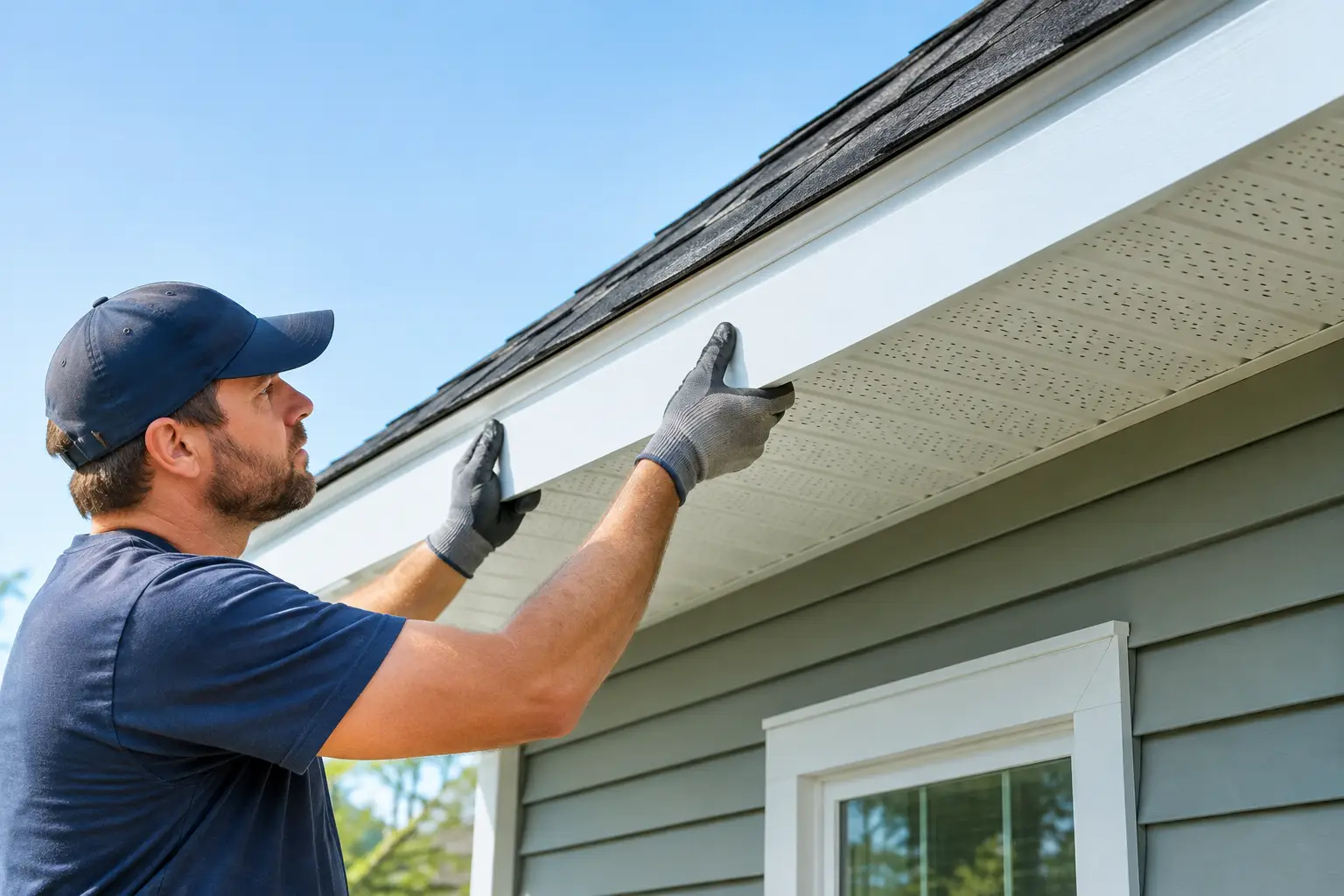
A gutter that has started to sag, paint peeling from the eaves, or a damp patch appearing inside an upstairs room can all lead back to the same overlooked area: the roofline. Fascia board replacement cost is rarely just about fitting a new board. It depends on what has caused the damage, how far it has spread and whether the gutters, soffits or roof edge need attention at the same time.
For homeowners, the aim should be a clear quotation that deals with the cause of the problem, not a cheap-looking fix that leaves hidden timber to rot behind new plastic trim.
Typical fascia board replacement cost
The cost of replacing fascia boards varies considerably by property size, access and material. As a broad guide, replacing a short damaged section may cost a few hundred pounds where access is straightforward and no wider repairs are needed. Replacing the full fascia, soffits and guttering around a typical semi-detached home is more commonly a four-figure project.
A straightforward uPVC roofline replacement on a small property may begin at around £1,200 to £2,000. For larger detached houses, properties with several roof levels, or jobs requiring scaffolding and timber repairs, costs can rise to £3,000 or more. These are indicative figures rather than fixed prices. An inspection is the only reliable way to price the work properly.
It can be tempting to compare quotations by the final total alone. That can be misleading if one price includes new gutters, downpipes, removal of old materials, safe access and repairs to rotten timber while another only covers surface cladding. Ask what is included before deciding which quotation offers the better value.
Repairing one section or replacing the full run
If damage is limited to one area, such as beneath a leaking gutter joint, a local repair may be sensible. This can protect the roof edge and avoid replacing sound materials unnecessarily. However, where timber fascias are soft in several places or the boards are nearing the end of their life, replacing one short section can become a false economy.
A full replacement costs more at the outset but gives a consistent finish, allows the guttering to be refitted securely and makes it easier to deal with hidden issues along the eaves. It also avoids repeated call-outs as further sections fail over the following years.
What affects fascia board replacement cost?
The length of the roofline is the starting point, but it is only one part of the price. A long, simple eaves run on a bungalow can be easier to work on than a shorter section high up on a three-storey house. The main factors usually include access, the condition of the existing roofline, the chosen material and the amount of associated work required.
Scaffolding is often a significant cost, particularly where work is high, difficult to reach or close to a conservatory, extension or neighbouring boundary. Ladders may be suitable for a minor inspection or small repair, but safe access is essential for larger replacement work. A proper quotation should state whether scaffolding is included.
Rotten rafter ends can also alter the price. Fascias are fixed to the edge of the roof structure, so decayed timber behind the board must be dealt with before new materials are installed. Covering a weakened roof edge may improve appearances briefly, but it does not create a solid fixing for gutters or protect the roof properly.
The condition of the guttering matters too. If old gutters are brittle, leaking, incorrectly pitched or pulling away from the fascia, replacing them during the same job often makes practical sense. It avoids paying for access twice and gives the whole roofline a cleaner, more reliable finish.
Choosing between timber and uPVC fascia boards
Timber fascias remain appropriate for some older properties and homes where maintaining a traditional appearance is important. They can be painted to suit the property, but they need regular maintenance. If paint fails, moisture can enter the timber and rot can develop where it is difficult to see.
uPVC fascia boards are a popular option for modern roofline replacements because they are low maintenance, do not need painting and are available in colours and finishes to complement different homes. White remains common, while anthracite grey, black, brown and wood-effect finishes can suit particular styles of property.
There is a difference between a full replacement board and a thin capping board. Capping boards are fitted over existing timber and may be suitable only where the original fascia is confirmed to be sound, dry and secure. Full replacement boards are fitted after removing defective timber fascias and are generally the more dependable choice where rot is present or gutters need a stronger fixing.
A lower quote based on capping can therefore be reasonable in one situation and unsuitable in another. The key question is not simply which product is being fitted, but whether the existing structure has been inspected and is fit to retain.
What should a proper quotation include?
A useful roofline quotation should be clear enough for a homeowner to understand what will happen from start to finish. It should identify whether the price covers removal and disposal of old boards, replacement or overcapping, soffits, guttering, downpipes and any necessary repairs to roof-edge timber.
It should also explain how access will be provided and whether there are likely to be additional costs if concealed defects are found. No contractor can always see behind old fascias before work begins, but they should be open about the possibility and discuss any extra work before proceeding.
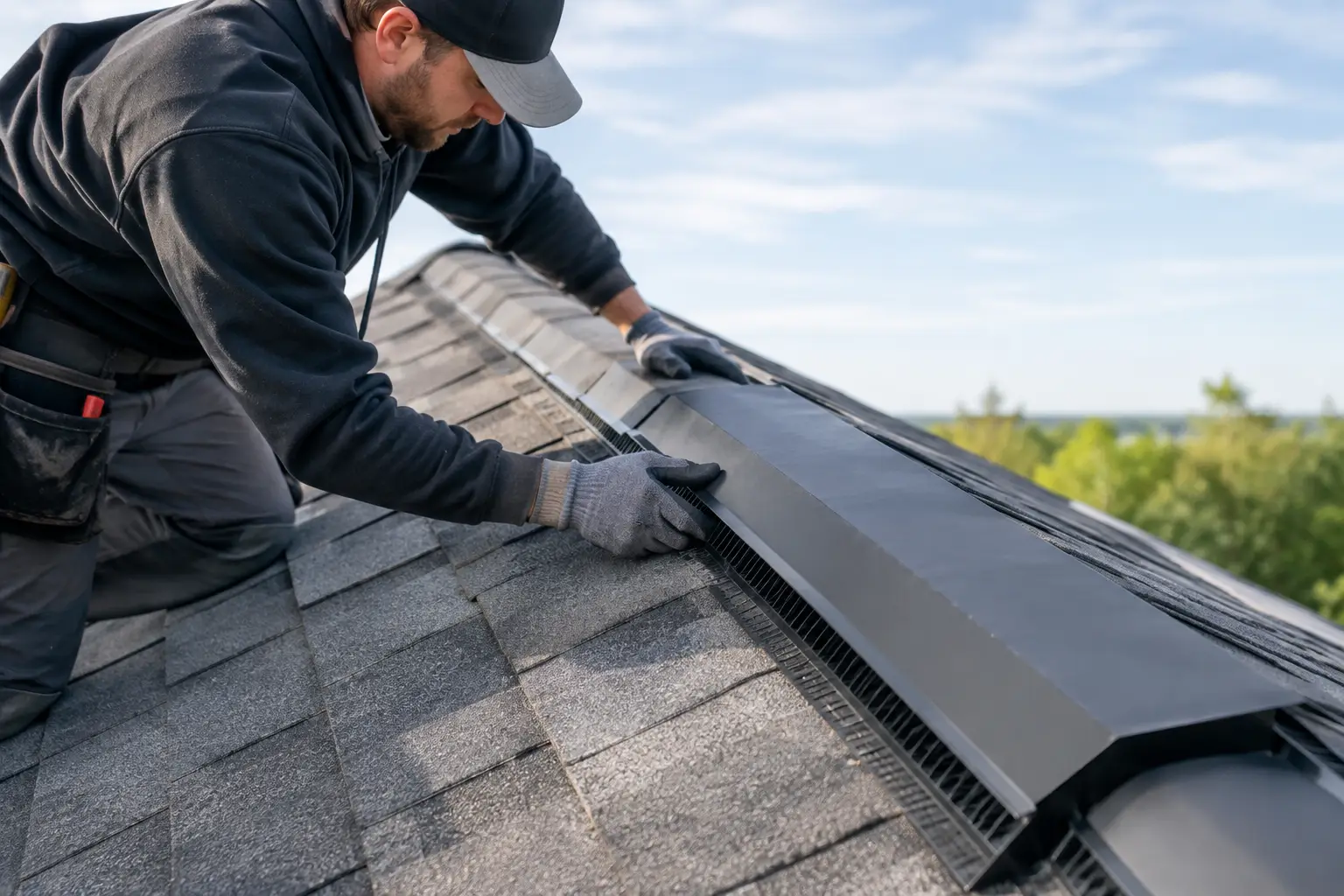
Look for details on the materials, colour, gutter profile and the workmanship guarantee. If ventilation is needed through the soffits to help protect the roof space, this should be considered as part of the job rather than treated as an afterthought. Good roofline work directs rainwater away from the property while allowing the roof structure to breathe.
Signs that replacement should not wait
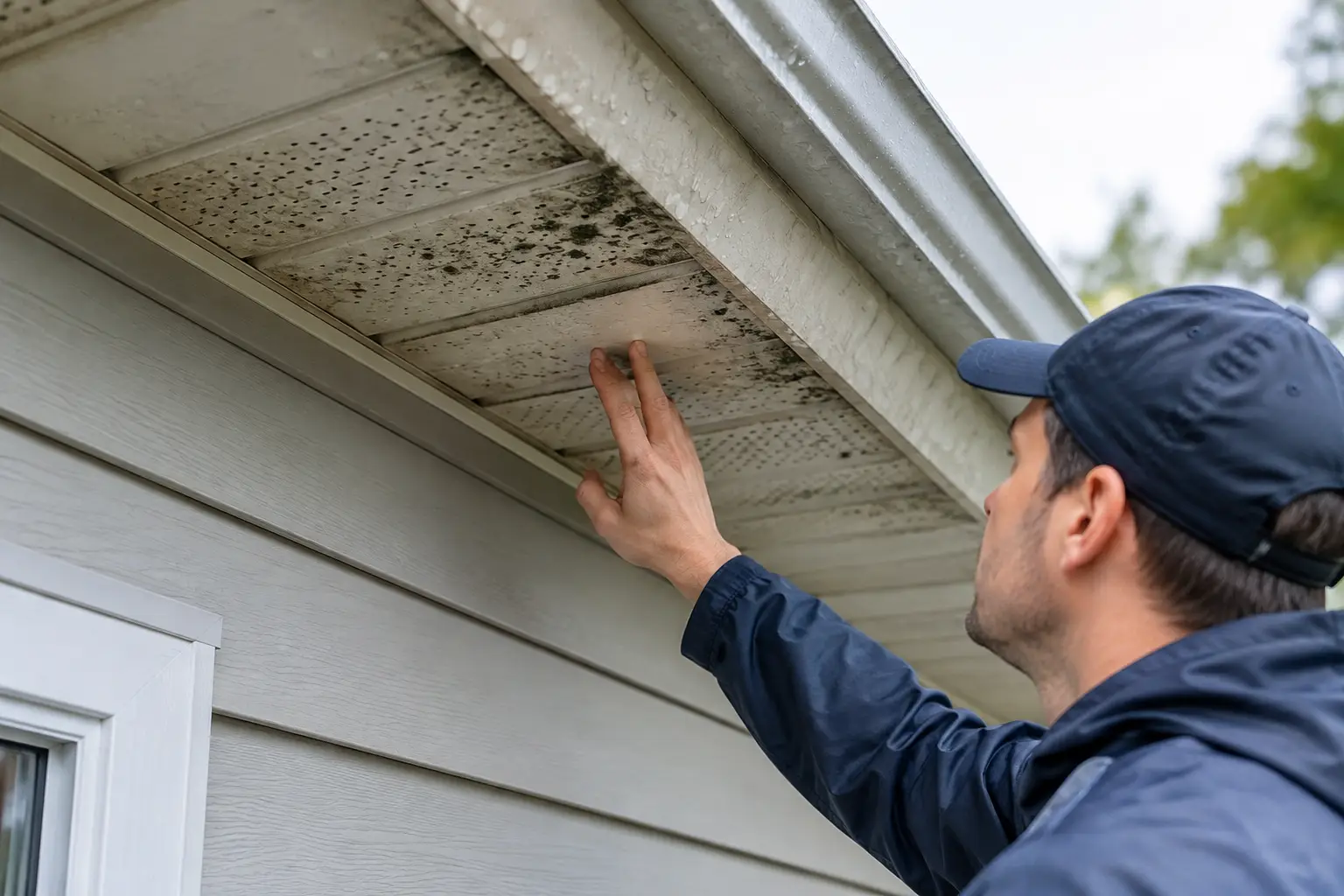
A fascia problem is not always obvious from ground level. Peeling paint and staining can be early warnings, but more serious concerns include gutters dipping or separating from the eaves, visible gaps at the roofline, crumbling timber, recurring overflow during rain and signs of birds or insects entering the roof space.
Water overflowing from blocked gutters can cause damage even to newer fascias. Before assuming replacement is required, it is worth having the gutters and downpipes checked. A blockage, failed joint or poor gutter fall may be the immediate cause. But if water has been running behind the gutter for a long time, the fascia and soffit may already have deteriorated.
Do not ignore a gutter that appears to be coming away from the house. Apart from allowing rainwater onto the walls, a failing gutter can become a safety risk in high winds. Early attention is usually less disruptive and gives more scope for a local repair before the damage reaches the roof structure.
Getting a fair price for your property
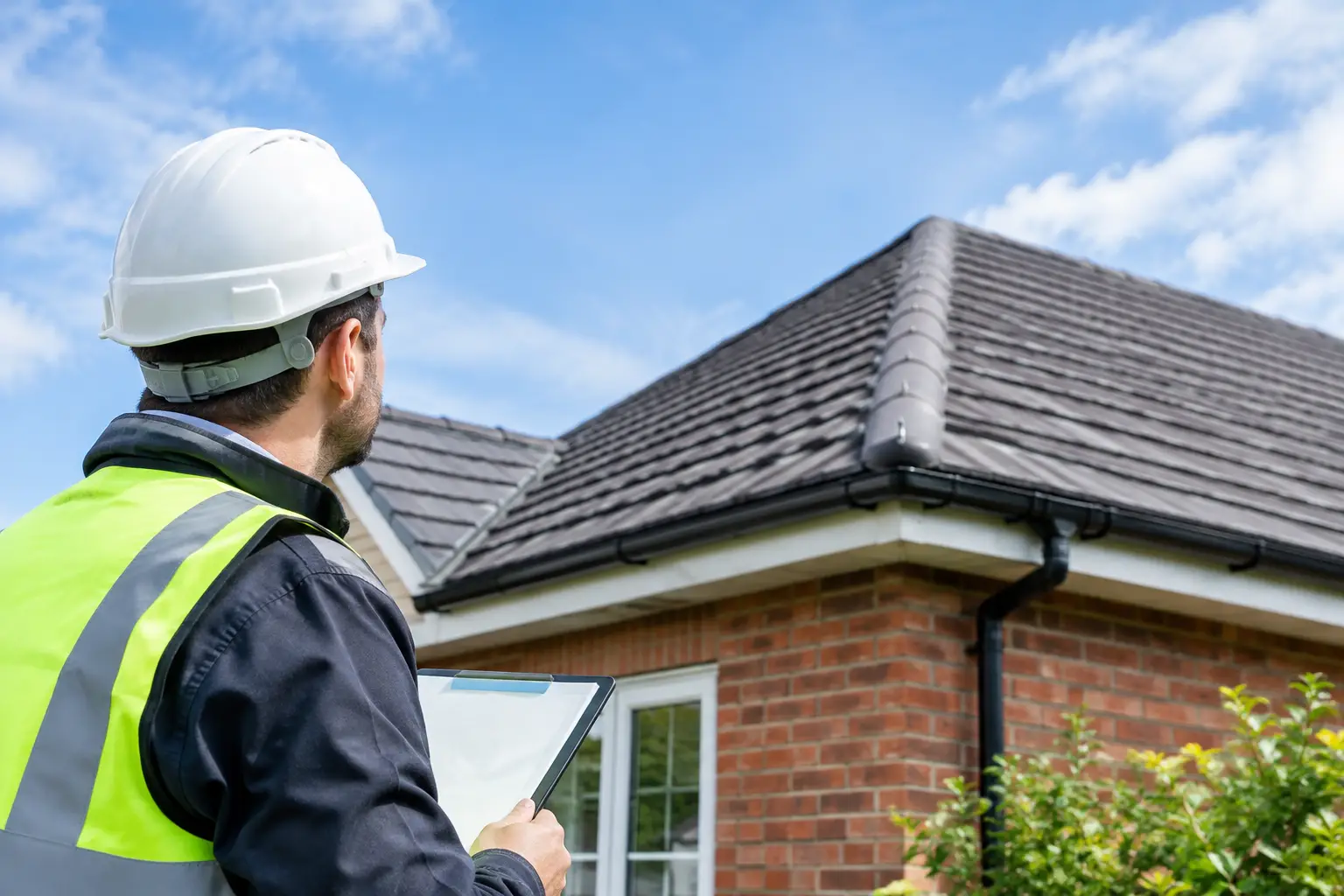
The best way to manage fascia board replacement cost is to arrange an on-site assessment and request a written, no-obligation quotation. Take the opportunity to ask whether the existing boards will be removed, whether the guttering is included and how any hidden timber decay would be handled.
Be cautious of estimates given without viewing the property, especially if they seem unusually low. Every roofline has different access requirements, and a price that omits disposal, safe access or repairs is unlikely to remain the final price. Equally, replacement is not automatically necessary just because fascias look tired. An experienced contractor should explain whether cleaning, gutter repairs, a local timber repair or full renewal is the sensible route.
For homeowners across Darlington and the wider North East, Masterhouse Services can inspect roofline concerns and provide a clear free quotation for the work required. Properly fitted fascias, soffits and gutters do more than tidy the edge of a roof: they help keep rainwater where it belongs, away from the structure of your home.